

Introduction
In today’s fast-evolving business landscape, efficient cash management and the seamless integration of digital payment systems are critical pillars of operational success. With the Indian government actively promoting a cashless economy through initiatives like Digital India and UPI (Unified Payments Interface), retail businesses are rapidly transitioning from traditional cash-based transactions to modern digital modes.
This report is based on a structured field visit conducted at Medicity Chemist outlets in Navi Mumbai. The core objective is to analyze how a high-volume retail pharmacy manages its financial transactions — encompassing both cash and digital payment streams. Pharmacies, by nature, serve a diverse demographic and handle a significant volume of daily transactions, making them an ideal setting for studying real-time payment trends and customer behavior.
| Subject | Financial Management |
| Report Type | Field Visit Analysis |
| Location | Navi Mumbai |
| Group Members | Apeksha Bhagat (251126) Anushka Bhingare (251127) Pratik Dalvi (251133) Mandar Gore (251141) Nishit Talwar (251160) Hasti Patel (251163) Prachi Pawar (251167) Swarali Phadnis (251168) Omkar Sitap (251180) Diksha Telang (251185) |
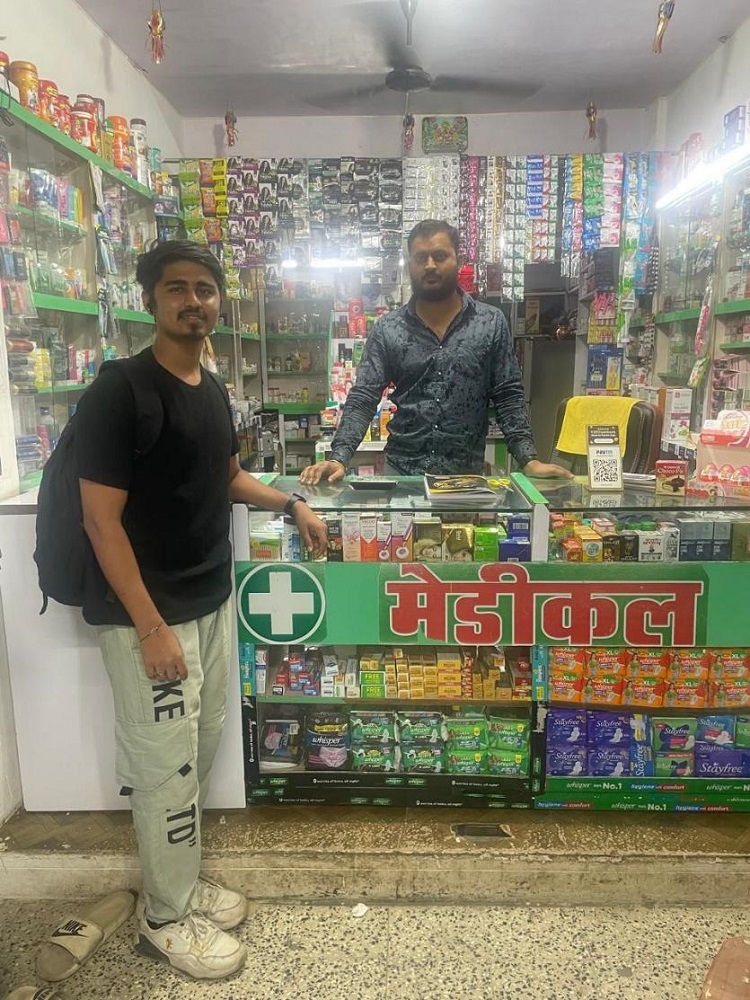
Student interacting with store manager at billing counter
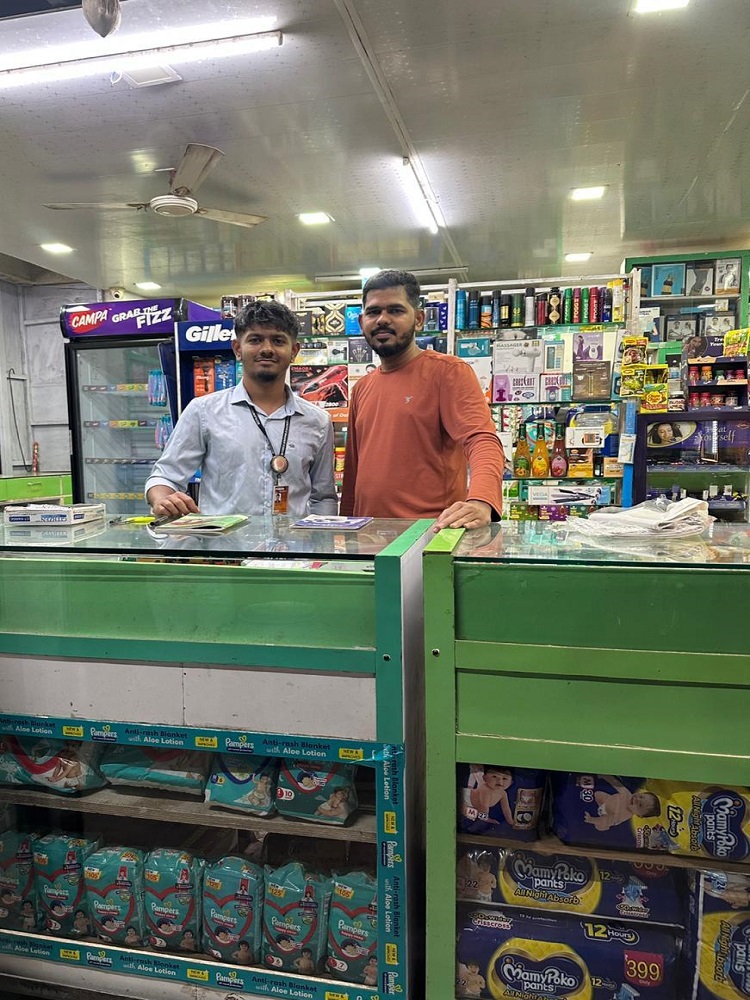
Student interviewing pharmacy owner about transaction patterns
Objectives of the Study
The field visit was undertaken with the following clearly defined objectives:
- To analyze cash inflows and outflows in a retail pharmacy setting
- To study the usage patterns of cash versus digital payment methods
- To observe real-time customer payment behavior across demographics
- To identify key benefits and inherent risks of each payment mode
- To suggest practical improvements in cash management practices
- To understand the role of technology in modern financial transactions
Scope of the Study
This study is focused specifically on the financial transaction ecosystem at Medicity Chemist outlets in Navi Mumbai. The scope encompasses the following areas:
Areas Covered in the Study
- Payment methods accepted and used by customers
- Cash handling and petty cash management practices
- Digital payment adoption rate and tools used
- Operational efficiency improvements linked to payment systems
- Customer demographics and payment preference patterns
Although limited to a specific outlet, the findings are reflective of broader trends seen across urban retail businesses in India, particularly in the healthcare and pharmacy sector.
Methodology
The study was conducted using primary data collected during the field visit by a group of 10 students. A mixed methodology combining qualitative and quantitative approaches was employed to capture both observed data and experiential insights.
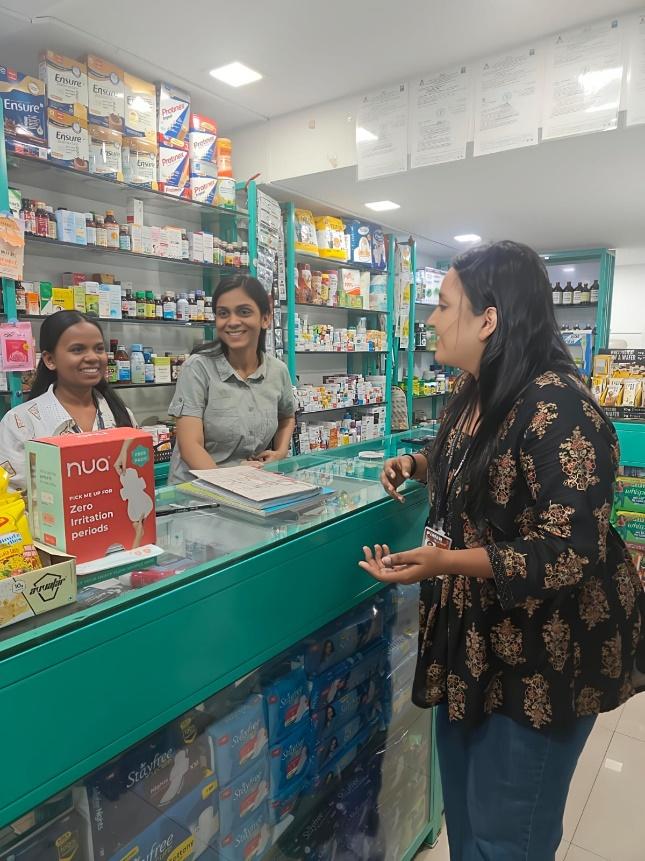
Student interacting with store manager at billing counter
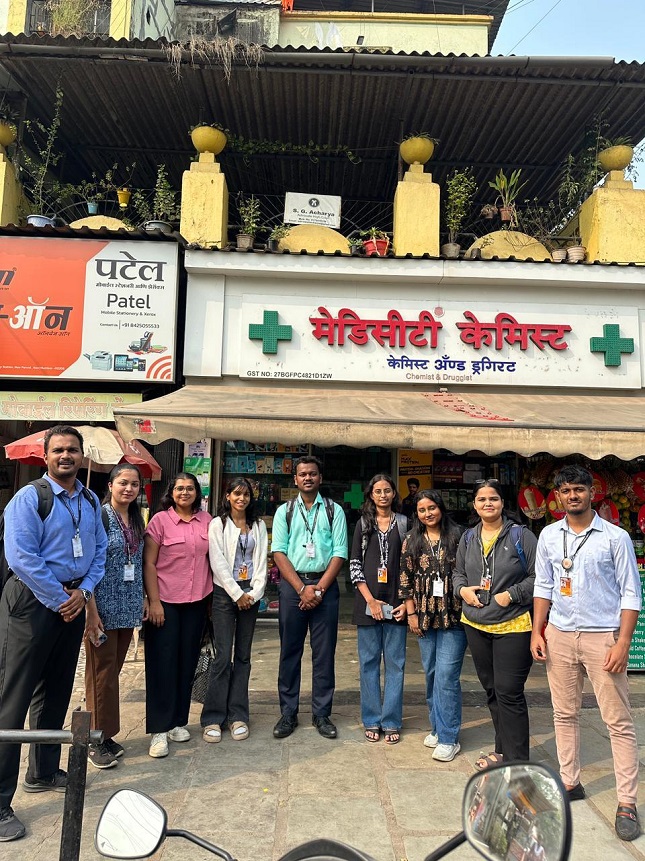
Team observing operations at another outlet
Methods Used:
- Direct observation of billing and payment processes during peak and non-peak hours
- Informal discussions and structured interactions with store staff members
- Monitoring of customer payment choices across different transaction sizes
- Comparative analysis of transaction trends across multiple outlet visits
- Documentation through photographs for visual evidence
Overview of Medicity Chemist
Medicity Chemist is an established retail pharmacy and drugstore chain serving communities across Navi Mumbai. The outlet caters to daily medical, wellness, and household needs of a diverse urban customer base, operating with a consistently high transaction volume throughout the day.
Key Features of the Outlet:
- Sells both prescription medicines and over-the-counter (OTC) healthcare products
- Handles several hundred daily transactions across walk-in customers
- Accepts multiple payment modes: Cash, UPI, Debit/Credit Cards
- Uses a computerized billing system for all transaction recording and GST compliance
- Staffed with trained personnel proficient in both customer service and digital tools
Due to its operational scale and diverse customer profile, Medicity Chemist serves as an ideal and representative case study for understanding payment system dynamics in urban retail healthcare.
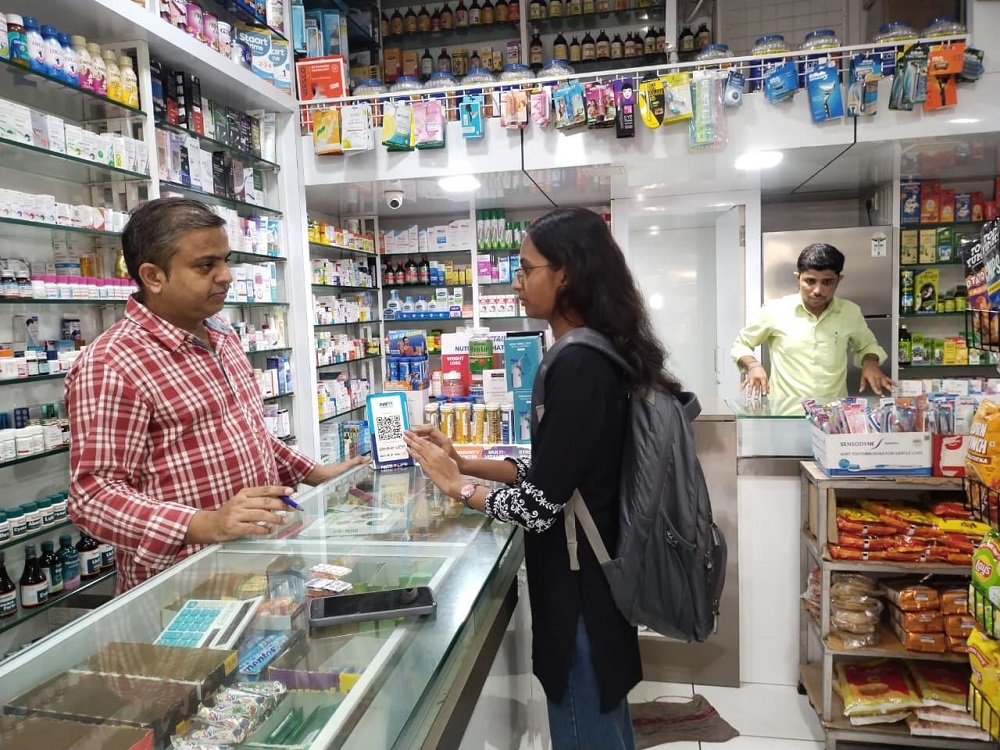
Billing area and product display at Medicity Chemist
Concept of Cash Management
Cash management refers to the strategic process of monitoring, analyzing, and optimizing the inflows and outflows of cash within a business to ensure smooth operational continuity. In the retail pharmacy context, effective cash management is essential to maintain liquidity, meet day-to-day obligations, and avoid financial disruptions.
Core Principles of Cash Management
- Maintaining sufficient cash balance for operational needs and emergencies
- Managing daily petty cash expenses with proper authorization
- Ensuring accurate and timely record-keeping of all transactions
- Reducing risks of theft, misappropriation, or counting errors
- Reconciling daily closing cash with POS and billing system records
Effective cash management directly impacts a business’s profitability, operational efficiency, and ability to plan for growth. At Medicity Chemist, a disciplined approach to cash handling was clearly visible — from structured billing to end-of-day reconciliation.
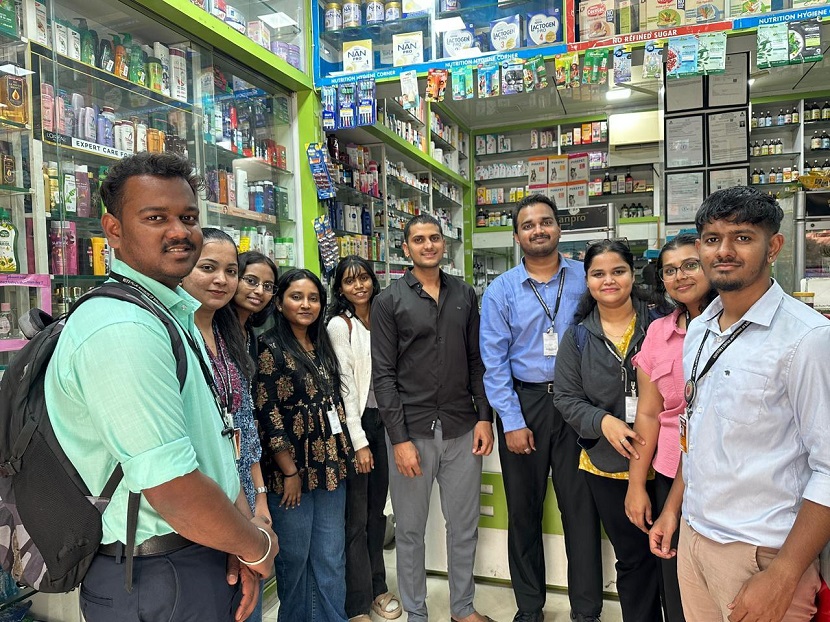
Student interviewing pharmacy owner about transaction patterns
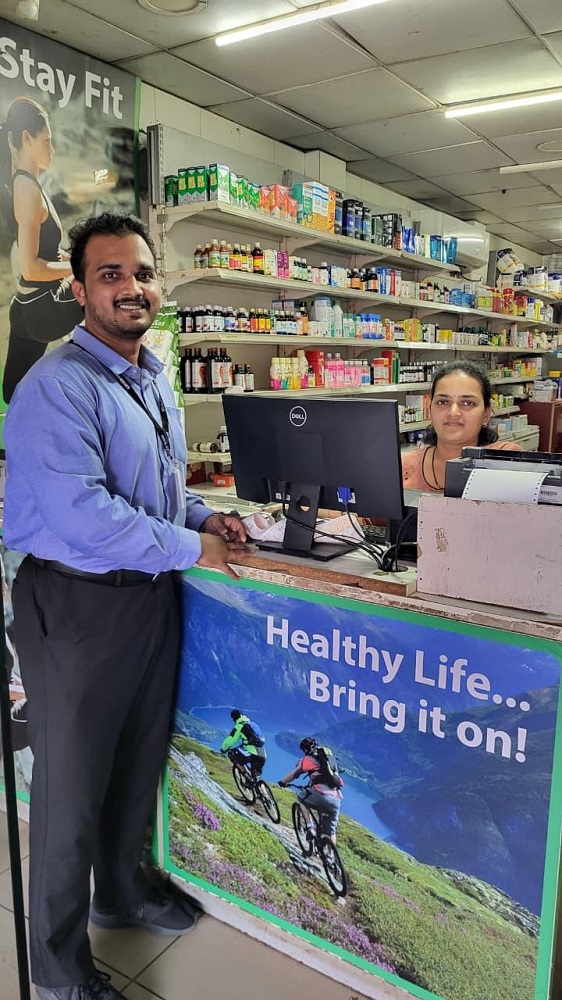
Student conducting field interaction at a chemist outlet
Cash Inflows and Outflows
During the field visit, both inflows (revenue-generating transactions) and outflows (operational expenditures) were analyzed in detail. Understanding this balance is fundamental to assessing the financial health of the business.
Cash Inflows:
Cash inflows predominantly arise from daily sales activities. These include:
- Sale of prescription medicines to walk-in and repeat customers
- OTC (Over-the-Counter) product purchases — personal care, vitamins, baby products
- Emergency purchases from night-time or off-hour customers
- Bulk purchases from clinics and individual practitioners
Cash Outflows:
Outflows represent necessary expenses critical to sustaining business operations:
- Payments to medicine distributors and suppliers (major outflow component)
- Staff salaries, wages, and daily allowances
- Utility bills — electricity, internet, and premises rent
- Maintenance, packaging materials, and miscellaneous expenses
Maintaining a healthy and positive balance between inflows and outflows is essential to sustain business operations, build cash reserves, and fund future growth investments.
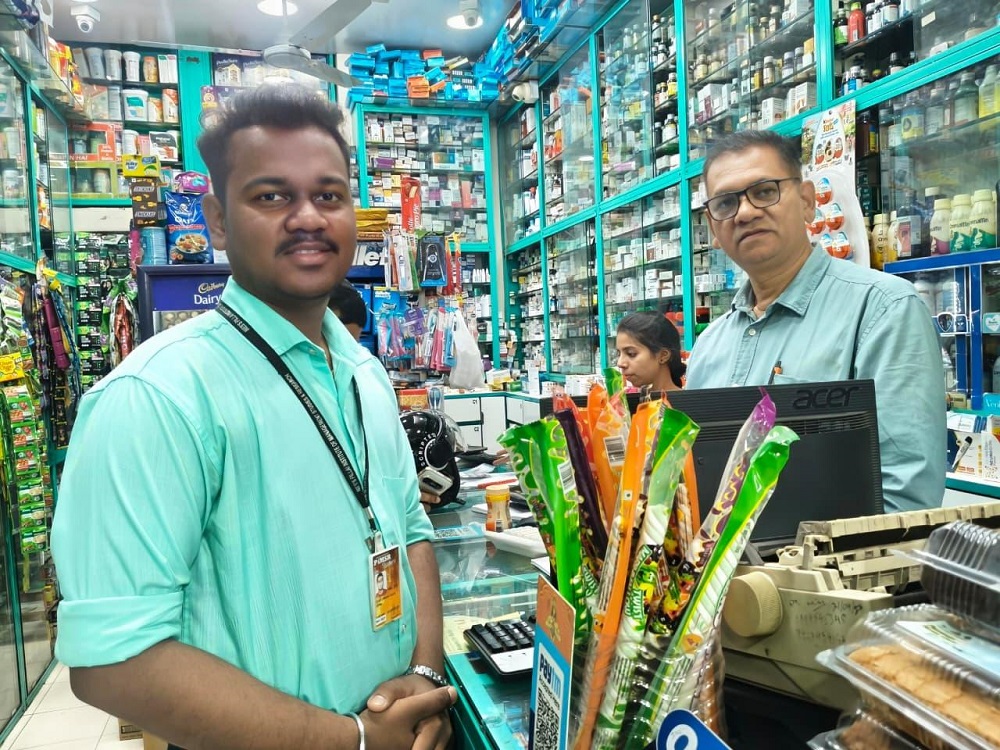
UPI payment transaction demonstration at the pharmacy counter
Modes of Payment Observed
One of the most insightful findings of the field visit was the diversity of payment modes in active use at Medicity Chemist. The outlet has evolved into a digitally-integrated payment environment, while maintaining support for traditional cash transactions.
Observed Payment Modes:
- Cash Payments — Traditional method, still preferred by certain customer segments
- UPI Payments — Most widely used; includes PhonePe, Google Pay, Paytm, BHIM
- Debit / Credit Card Payments — Used primarily for larger transaction values
Approximate Payment Distribution
| Payment Mode | Estimated Share | Key Characteristics |
|---|---|---|
| UPI | 60 – 70% | Fastest growing, preferred by youth |
| Cash | 20 – 30% | Reliable fallback, used by elderly |
| Card | 10 – 15% | Higher-value transactions |
This distribution clearly reflects the nationwide shift towards digital payments, accelerated by smartphone penetration and government initiatives. At Medicity Chemist, prominently displayed QR codes at every counter facilitated frictionless UPI transactions.
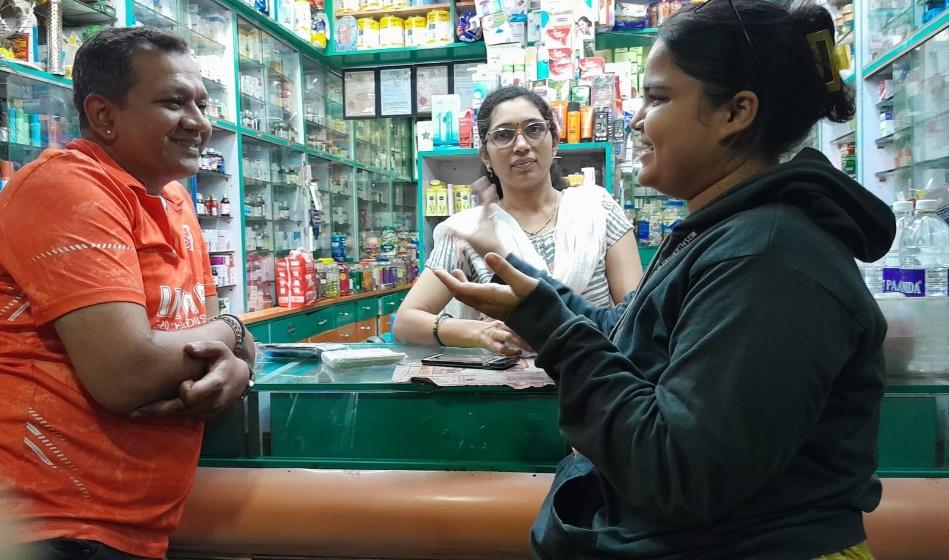
Student conducting field interviews inside pharmacy
Customer Payment Behaviour
Customer payment behavior varied noticeably based on age, technological familiarity, and transaction context. The observations provided rich, real-world data on how different demographic groups interact with payment systems.
Demographic Payment Preferences:
- Younger customers (18–35 years): Strongly preferred UPI and mobile wallets — cited speed and cashback benefits
- Middle-aged customers (35–55 years): Adopted a mixed approach — UPI for larger bills, cash for smaller purchases
- Senior customers (55+ years): Clearly more comfortable with cash — cited familiarity and simplicity
- Emergency buyers: Predominantly used cash due to urgency and time constraints
A notable pattern emerged during peak hours: digital payments significantly reduced queue time, as UPI transactions were completed within seconds, whereas cash transactions involved change management and physical handling.
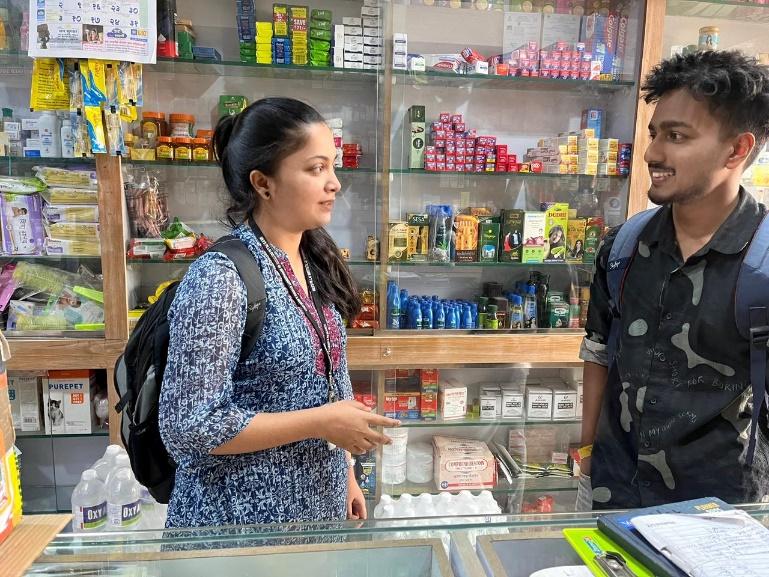
Student understanding payment user journey
Benefits of Digital Payments
The field visit substantiated the multiple advantages that digital payment systems bring to a high-volume retail environment like a pharmacy. These benefits extend across operational efficiency, financial accuracy, and customer experience.
Key Benefits of Digital Payment Systems
- Faster transactions — UPI payments completed within 3–5 seconds
- Automatic record-keeping — every digital transaction is time-stamped and stored
- Reduced cash-handling risks — fewer opportunities for theft or counting errors
- Contactless and hygienic — particularly relevant post-pandemic
- Instant bank reconciliation — reduces end-of-day accounting time
- Increased customer trust through digital receipts and payment confirmations
- Access to government incentive schemes for promoting digital payments
Benefits of Cash Payments
Despite the rapid growth of digital alternatives, cash continues to play a vital and irreplaceable role in the pharmacy ecosystem — particularly in serving segments of the population that remain outside the formal digital banking framework.
- No dependency on internet connectivity or network availability
- Universally accessible — usable by all age groups without a smartphone
- Immediate and final settlement — no risk of payment reversals or delays
- Serves as a reliable backup during technology failures or power outages
- Preferred for small-value, high-frequency purchases like medicines under ₹50
Medicity Chemist maintains a deliberate policy of accepting cash to ensure no customer is turned away due to an inability to pay digitally — reinforcing its commitment to inclusive healthcare service delivery.
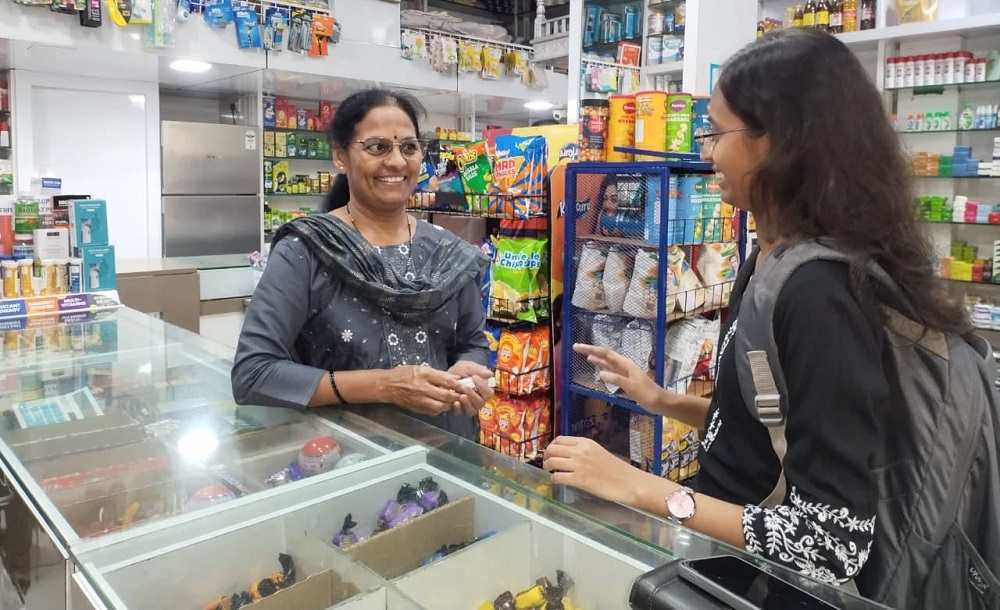
Students observing transaction flow at another outlet visited
Risks and Challenges
Both digital and cash payment modes carry inherent risks and operational challenges. A comprehensive understanding of these risks is essential for designing a robust and resilient payment infrastructure.
Digital Payment Risks
- Network failures and transaction delays
- Payment failures without instant refund resolution
- Cybersecurity threats and phishing attacks
- Excessive dependency on technology infrastructure
- Server downtime during peak hours
Cash Handling Risks
- Risk of theft, pilferage, or physical loss
- Counting errors during rush hours
- Inadequate tracking of cash flow patterns
- Time-consuming daily reconciliation process
- Counterfeit currency risk
Key Observations from Field Visit
The Field Visit yielded several valuable and practical insights into real-world payment systems operating in a retail pharmacy. The following are the most significant observations documented by the student team:
- Digital payments — particularly UPI — have become the dominant mode across most transaction types
- QR code payment infrastructure is prominently displayed and well-maintained at all billing counters
- Staff members are well-trained and confident in handling all payment modes simultaneously
- Peak hours (8–10 AM and 6–9 PM) show a clear surge in UPI transactions, reducing queue time
- Cash remains critical for emergency night-time purchases and transactions by elderly customers
- The POS billing system provides real-time integration with digital payment confirmations
- Customer satisfaction is notably higher when digital payment options are offered
Suggestions for Improvement
Based on our analysis and observations during the field visit, the following strategic improvements are recommended to further enhance the efficiency, security, and inclusivity of the payment management system at Medicity Chemist:
Strategic Recommendations
- Install a dedicated backup internet connection to prevent digital payment disruptions during network outages
- Launch in-store digital literacy sessions for elderly customers — basic UPI training using simple visual guides
- Upgrade to advanced POS terminals with multi-mode payment support and real-time analytics
- Strengthen cybersecurity measures including two-factor authentication for all payment accounts
- Implement automated daily reconciliation software to reduce manual errors and save staff time
- Display prominent signage near cash counters promoting UPI benefits and cashback offers
- Introduce loyalty reward programs linked to digital payments to incentivize adoption
Conclusion
This field visit to Medicity Chemist outlets in Navi Mumbai provided a comprehensive and practical understanding of how a modern retail pharmacy manages its financial transactions. The study clearly demonstrates that digital payments — led by UPI — have become the dominant force in everyday retail commerce, accounting for an estimated 60–70% of all transactions observed.
However, the continued relevance of cash cannot be understated. It remains an essential mode of payment for a significant customer segment, particularly senior citizens and those less familiar with digital technology. The ability of Medicity Chemist to seamlessly serve both categories reflects a mature and inclusive approach to financial management.
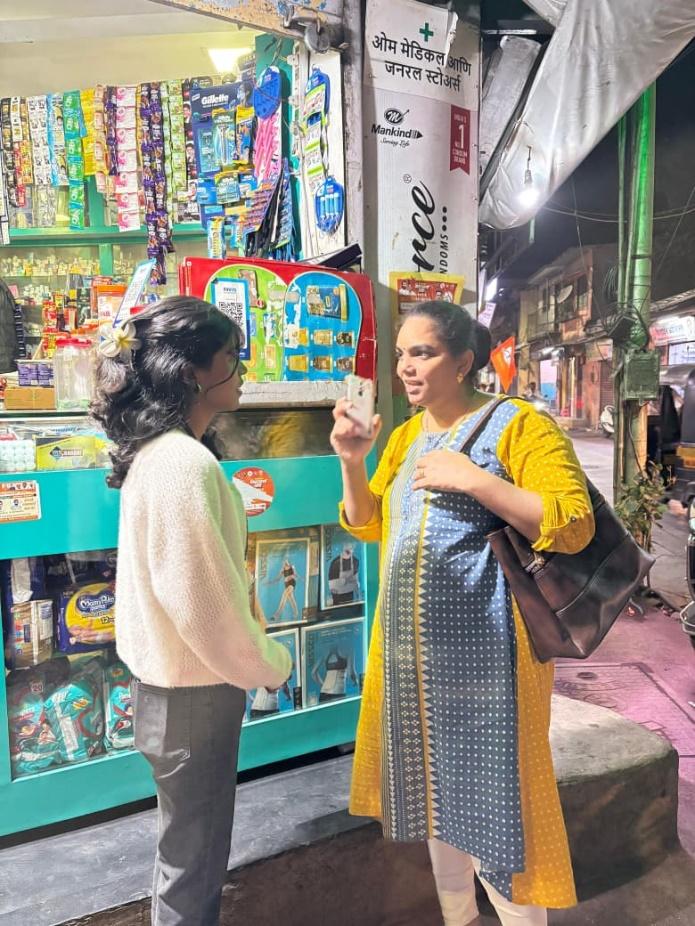
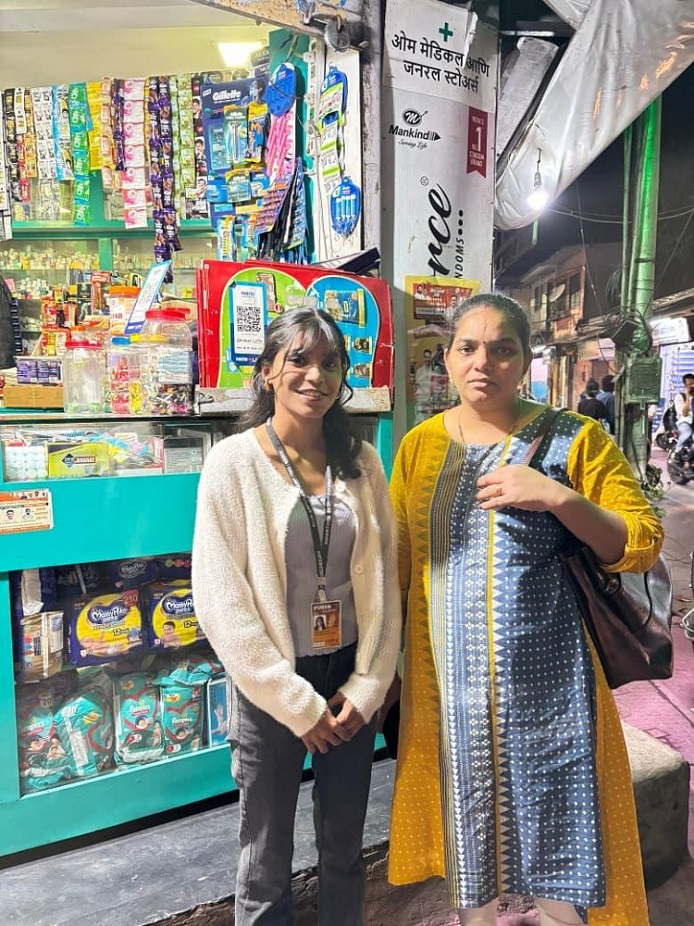
Student interacting with Medicity Chemist outlet’s customer
Overall, this study reinforces the fact that the future of retail payments lies in a hybrid model — one that embraces digital technology for speed and transparency, while retaining cash as a fallback for inclusivity. For financial management students, such real-world observations are invaluable in bridging the gap between theoretical concepts and practical application.
